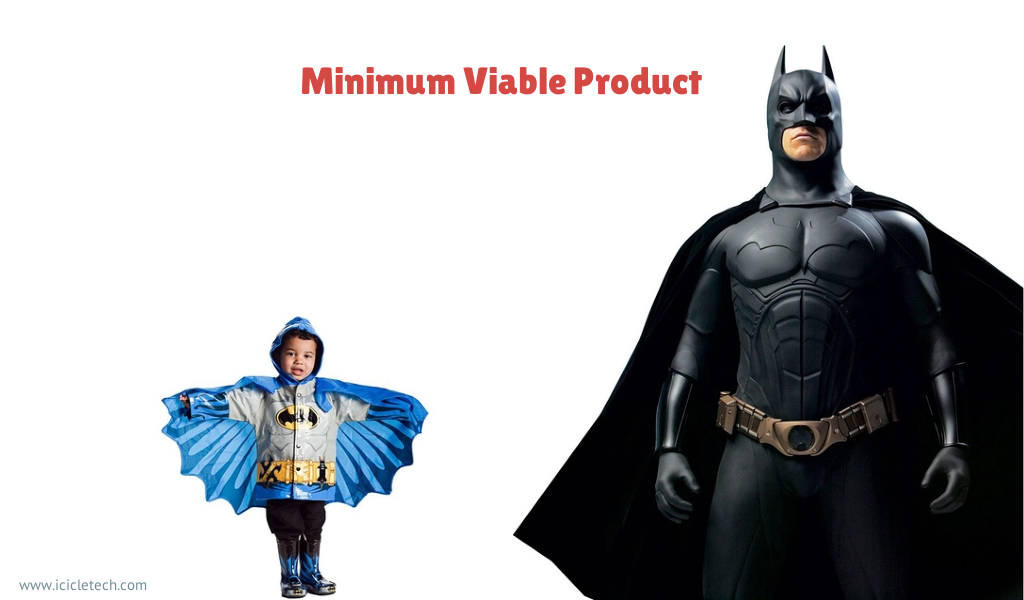
These days, the MVP (Minimum Viable Product) approach is a big part of how agile teams build software. The idea is simple: build something small, test it quickly, and improve it over time. It’s a great way to move fast — until it starts causing problems.
Lately, our team has run into a challenge that’s pretty common in big projects: dependencies. And not just technical ones, but also relying on other teams, tools, and processes. The more we build, the more we see how fragile things can get when these connections aren’t planned or managed well.
Quick note: I’m not an Agile expert — just sharing my own experience as a software engineer/architect. Hope it helps!
Integration Will Come Later!
Imagine this: your team is building a new feature that relies on data from another internal system. That system is owned by a different team, who has their own roadmap, priorities, and timelines. There’s no API yet, so you mock the data. You move forward, confident that integration will come later.
But you know the story; “later” never comes.
Instead, the feature goes live with manual workarounds. Stakeholders are expected to upload CSVs, copy-paste IDs, or manually trigger workflows. What was meant to be a temporary solution becomes the default. And suddenly, your MVP isn’t just minimal — it’s missing.
The Manual Integration Trap
Let’s say, you built a feature that allowed users to view real-time inventory levels across multiple warehouses. The plan was to integrate with the logistics team’s API, which would provide up-to-date stock data.
But the API wasn’t ready.
To keep moving, you launched the MVP with a workaround: warehouse managers had to manually enter inventory numbers into a shared spreadsheet, which your system pulled from daily.
At first, it seemed manageable. But as the number of warehouses grew, so did the inconsistencies. Some managers forgot to update the sheet. Others entered data in the wrong format. The result? Users saw incorrect stock levels, leading to missed shipments and customer complaints.
The feature technically “shipped,” but it didn’t deliver value. Worse, it created operational chaos and a lack of trust in the system.
Why This Happens
- MVP Misinterpretation: MVP doesn’t mean “cut corners.” It means delivering the smallest version of a product that still delivers value. If your MVP requires manual steps that users can’t or won’t do, it’s not viable.
- Lack of System Thinking: In large organizations, features don’t live in isolation. They’re part of a complex ecosystem. Ignoring that ecosystem leads to brittle solutions.
- Invisible Dependencies: When dependencies aren’t tracked or visible, they’re easy to overlook. But they don’t go away, they just become someone else’s problem.
- Underestimating Manual Costs: Manual steps seem cheap, until they aren’t. They introduce human error, delay, and frustration. And they rarely get replaced as quickly as planned.
The Risk to Quality
When manual processes replace proper integration, overall quality suffers, especially in terms of software and user experience.
- From a software quality point of view, manual work makes the system harder to test, easier to break, and more difficult to maintain. It’s like building on shaky ground.
- From a user experience side, it creates extra steps, confusion, and frustration. People might forget to do something, enter the wrong data, or just stop using the tool altogether.
And the longer these manual steps stay in place, the harder they are to fix later.
What We Can Do Differently
- Map Dependencies Early: Treat dependencies like features. Track them, prioritize them, and communicate about them.
- Challenge the MVP: Ask, “Is this truly viable without integration?” If not, delay or rethink the scope.
- Invest in Automation: Even partial automation is better than none. A simple script or scheduled job can save hours of manual work.
- Create Feedback Loops: Talk to stakeholders regularly. If they’re struggling with manual steps, that’s a signal and not a complaint.
- Know the Dept: If you take a shortcut, write it down. Treat it like technical debt. Assign an owner. Set a timeline to fix it. Don’t let it fade into the background.
Remember that agile is a tool, not a goal. See my post:
Conclusion
The MVP mindset is powerful, but it must be applied with care, especially in complex environments with many moving parts. Dependencies are not just technical hurdles; they’re strategic risks. And when we ignore them, we risk delivering products that are minimal, but not viable.
Also, speed is important. But so is quality. So is trust. So is the long-term health of your product.
Thanks for reading!
Resources:
https://www.codica.com/blog/mvp-mistakes-and-how-to-avoid-them/